Project
SOC_Electrode_Sim: Multiphysical and multiscale modeling of the electrode in a solid oxide cell (SOC)
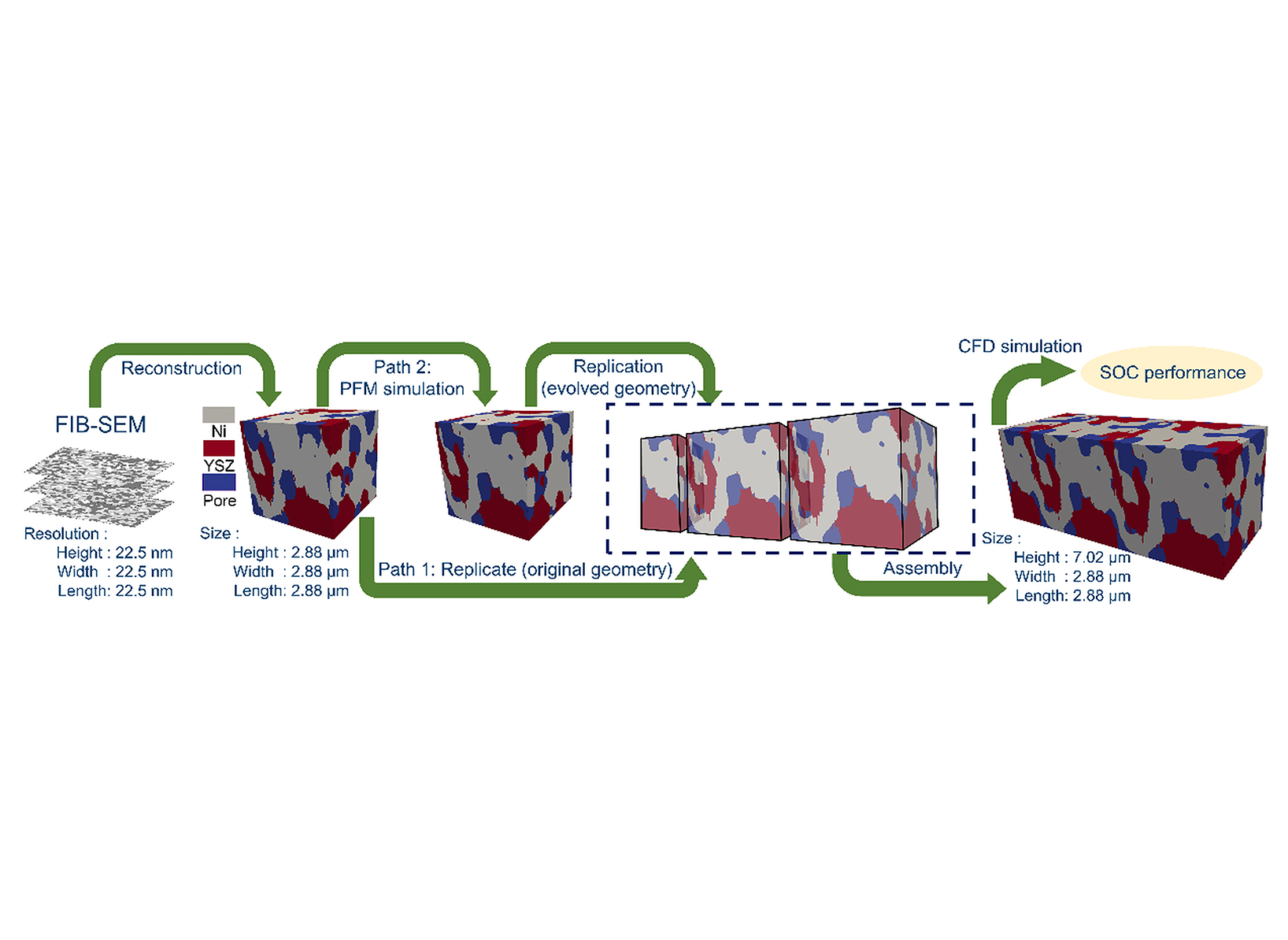 Figure 1: Microstructure workflow
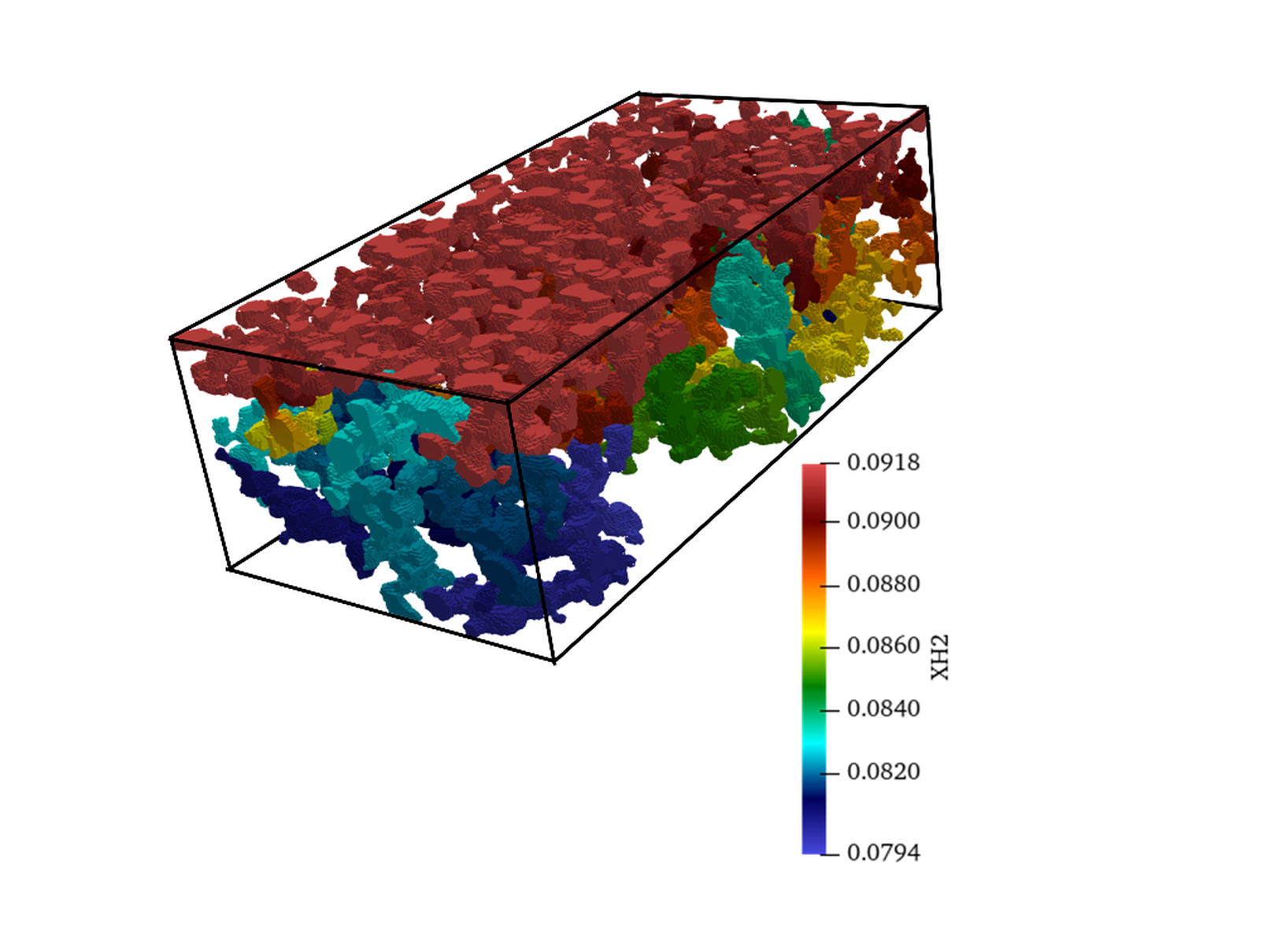 Figure 2: Hydrogen mole fraction distribution
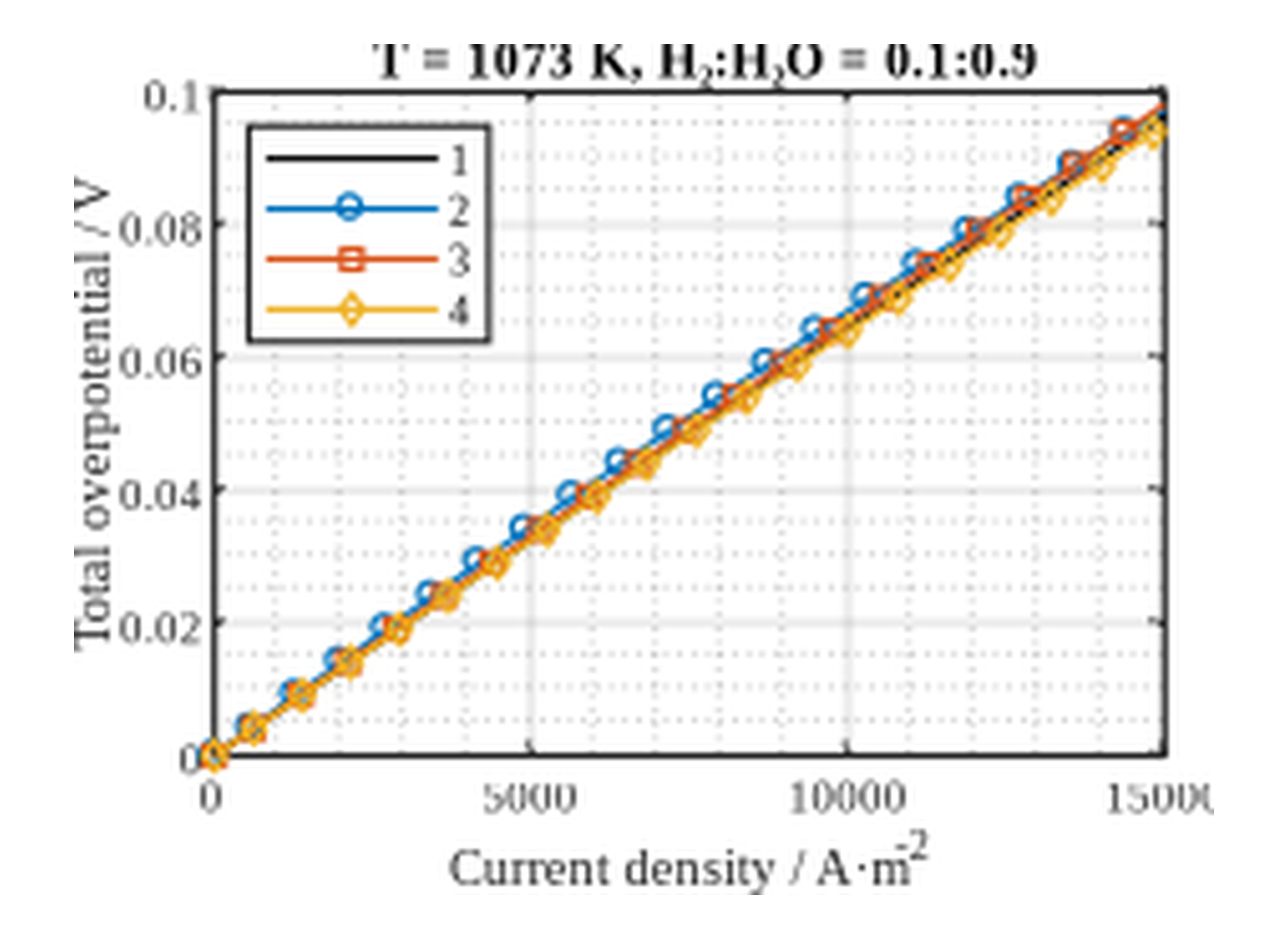 Figure 3: Total overpotential of fuel electrode in four positions
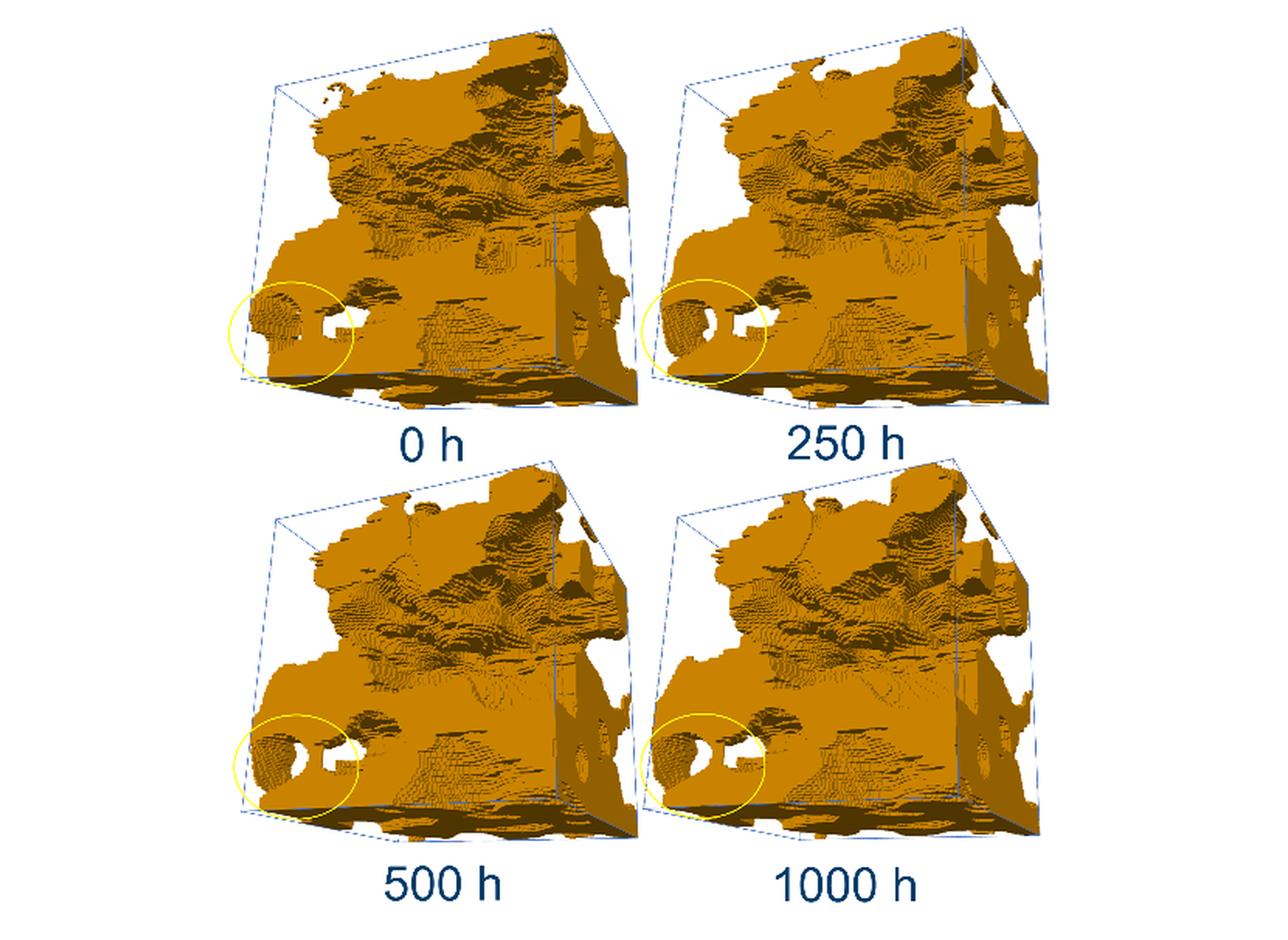 Figure 4: PFM simulation result of Ni microstructural evolution
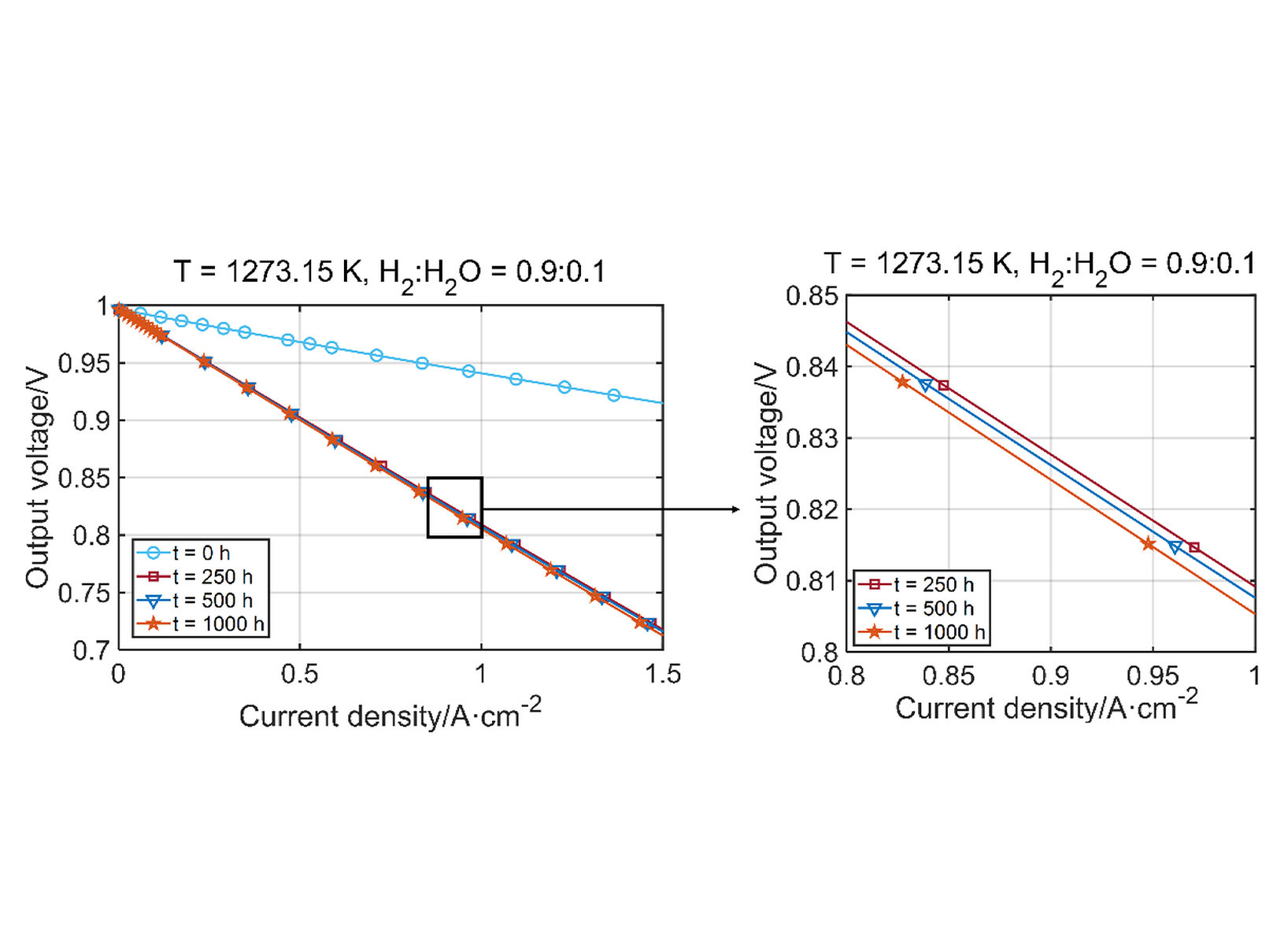 Figure 5: Output voltage of SOFC from 0 h to 1000 h
Solid oxide cells (SOCs) are highly efficient devices for hydrogen utilization, typically operating at temperatures between 600 °C and 1000 °C. The fuel electrode plays a crucial role, as it governs the key hydrogen conversion reactions in both solid oxide fuel cell (SOFC) and solid oxide electrolysis cell (SOEC) operating modes. However, under such high-temperature conditions, the Ni catalyst is prone to severe degradation. In particular, Ni agglomeration commonly occurs in both SOFC and SOEC modes, leading to a reduction in electrochemical activity. In SOEC operation, Ni migration is another critical degradation phenomenon that can further deteriorate cell performance. These degradation phenomena always occur after hundreds or even thousands of hours. Compared to experimental methods, using supercomputing to simulate the fuel electrode process can provide preliminary insights before experiments, reduce experimental costs, and enable early structural optimization.
Project Details
Project term
January 29, 2025–April 28, 2026
Affiliations
Forschungszentrum Jülich
Institute
Institute of Energy Technologies
Principal Investigator
Methods
A coupled phase-field method (PFM) and pore-scale CFD framework was developed to investigate microstructural degradation and electrochemical performance of SOC fuel electrodes. The initial electrode geometry was reconstructed from FIB-SEM images.
The PFM was used to simulate long-term Ni agglomeration and migration driven by microstructural evolution. The resulting structures were subsequently transferred to the CFD model, which resolves gas transport, electronic and ionic conduction, and electrochemical reactions described by the Butler–Volmer equation.
Two simulation routes were considered: direct CFD analysis of the reconstructed microstructures and coupled PFM–CFD analysis linking Ni degradation to performance loss. All models were implemented in OpenFOAM v2312. The workflow is shown in Fig. 1.
Results
3.1. CFD result
The effects of various factors—including dimensions, operating conditions, morphology, and electrochemical parameters, were investigated. Regarding morphology, the influences of the volume fractions of Ni, YSZ, and pores, as well as the triple-phase boundary (TPB) density, were examined. For operating conditions, the effects of temperature, gas concentration, and current density were considered. In addition, the impact of different electrode degradation phenomena on electrochemical performance was studied. In addition, the effects of electrochemical and structural parameters on electrode performance were investigated. The hydrogen mole fraction as Fig. 2 shows. The model can be used to analyze fuel electrodes with different structures. For example, four different locations were selected from the original electrode structure, and the influence of overpotential at each location was calculated as Fig. 3 shows. Other structures with varying Ni/YSZ/pore volume fractions, TPB densities, etc. were also generated, and the optimization effects of different fuel electrodes on cell performance were evaluated using this model.
3.2. PFM result
The PFM was employed to simulate the evolution of Ni agglomeration and Ni migration over 1000 hours under different environmental variables, including varying gas concentrations, temperatures, and current densities. The changes in relevant physical quantities were tracked. Subsequently, the degradation of electrochemical performance caused by Ni degradation was investigated using the CFD method.
From 0 to 1000 hours, Ni migration leads to the agglomeration of Ni particles as Fig. 4 shows. The evolved microstructure was subsequently imported into the CFD model to evaluate the electrochemical performance, as shown in Fig. 5. It can be observed that a significant drop in output voltage occurs during the first 250 hours. This is attributed to the disruption of gas and Ni pathways caused by agglomeration, which reduces the active triple-phase boundary (TPB) length and consequently increases the overpotential. After 250 hours, the voltage continues to decline slowly, driven by a gradual and persistent decrease in active TPB density resulting from Ni agglomeration.
Discussion
In this study, numerical simulations were performed using pore-scale CFD and PFM models, both implemented in OpenFOAM, to investigate the electrode structures reconstructed from FIB‑SEM images. The CFD model was employed to systematically simulate the effects of various structural and electrochemical parameters under multiple operating conditions, thereby deepening the understanding of multi-species transport processes within the fuel electrode. Meanwhile, the PFM approach was used to simulate the long-term microstructural evolution under different operating parameters, enabling quantitative tracking of the morphological changes induced by Ni agglomeration and migration. The evolved structures were subsequently imported into the CFD model to evaluate the corresponding degradation in electrochemical performance. This multi-scale and multi-physics simulation work provides deeper insights into the microstructure and degradation mechanisms of fuel electrodes. The findings are expected to offer theoretical guidance and efficient numerical tools for the optimal design of electrode structures, prediction of long-term performance degradation, and formulation of experimental strategies, ultimately contributing to reduced development costs and accelerated material screening.
Additional Project Information
DFG classification: 404 Fluid Mechanics, Technical Thermodynamics and Thermal Energy Engineering
Software: OpenFOAM, WGAN, MCRpy
Cluster: CLAIX
Publications
Analysis of the Interaction Effects of Microstructural Defects in SOFC Fuel Electrodes Using 3D + 1D Modeling,
Yanyu Chen, Shidong Zhang, Roland Peters, Remzi Samsun, Rüdiger-A. Eichel,
https://dx.doi.org/10.2139/ssrn.7135725, 2026